
Embracing eco-friendly habits: 10 sustainable living tips for beginners
Ready to make a positive impact on the planet? Read on for simple and practical tips to help you get started on your sustainable living journey. From the three R's of sustainability to converting to electric heat pumps, and even composting food waste, we've got you covered.
Ready to make a positive impact on the planet? In this article, we’ll share some simple and practical tips to help you get started on your sustainable living journey.
From the three R’s of sustainability to converting toelectric heat pumps, supporting local farmers, and even composting food waste, we’ve got you covered. Let’s dive in and discover how you can make a difference, one eco-friendly habit at a time.
Start by adopting the three R’s of sustainability. Reduce your consumption by avoiding unnecessary purchases, reuse items whenever possible, and recycle materials such as paper, plastic, and glass.

Make a conscious effort to reduce your energy consumption. Turn off lights when not in use, unplug electronics when they’re not being used, and use energy-efficient light bulbs.

Choose eco-friendly transportation options whenever possible. Use public transportation, carpool, bike, or walk instead of relying solely on private vehicles. Consider investing in an electric or hybrid vehicle if feasible.

Reduce your carbon footprint by incorporating more plant-based meals into your diet. Opt for vegetarian or vegan options a few times a week to reduce the environmental impact associated with meat production.

Consider installing electric heat pumps in place of a gas furnace. TheGradient window heat pumpoffers a greenhouse gas emissions reduction of up to 95% when the Gradient is used to cool and heat, depending on your source of electricity. That’s like choosing to walk instead of drive up to 15 miles daily – just by switching to Gradient. Best of all, you can install it yourself in less than 30 minutes.

Be mindful of your water usage and find ways to conserve it. Fix any leaks in faucets or toilets, take shorter showers, and consider installing low-flow shower heads and faucet aerators. Collect rainwater for watering plants whenever possible.

Purchase locally sourced and organic food whenever available. Supporting local farmers reduces transportation emissions, and choosing organic options minimizes the use of harmful pesticides and promotes healthier ecosystems.

Reduce your reliance on single-use plastics by carrying a reusable water bottle, using cloth shopping bags, and bringing your own containers for takeout or leftovers. Opt for products with minimal plastic packaging.

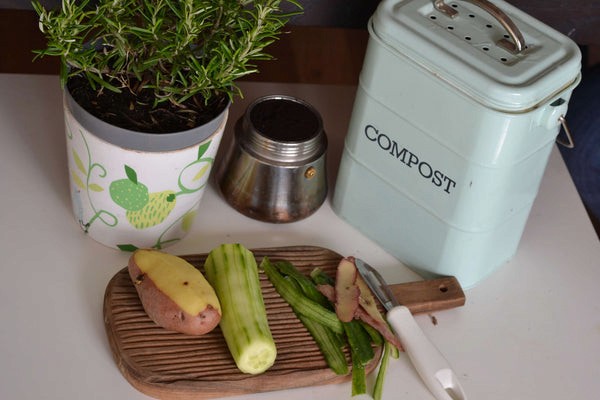
Start composting your food scraps instead of sending them to landfills. Composting reduces methane emissions and creates nutrient-rich soil for gardening. Research different composting methods to find one that suits your living situation.
Stay informed about sustainability issues and share your knowledge with others. Engage in conversations about eco-friendly habits and inspire those around you to embrace sustainable living. Encourage friends and family to join you in making positive changes for the environment.

Back to Blogs